That high-pitched squeal when you pull up at the lights is easy to ignore once or twice. Keep driving on worn brakes for too long, though, and a simple maintenance job can turn into a more expensive repair. One of the most common safety issues we see in the workshop is drivers missing the early signs you need new brake pads until braking performance starts to suffer.
Brake pads are designed to wear down over time. Every time you slow the car, the pads press against the brake disc to create friction and bring you to a stop. It is normal wear, but it is not something to put off once the warning signs show up. Fresh pads help your car stop properly, protect other brake parts from damage, and give you more confidence in traffic, school runs, and stop-start commuting.
Why brake pad wear should never be ignored
A lot of drivers assume brakes will either work or fail with no warning in between. In reality, worn brake pads often give you a heads-up first. The trouble is that these signs can seem minor at the start – a noise here, a slight vibration there, a brake pedal that feels a bit different than usual.
The risk is not just reduced stopping power. If brake pads wear too thin, the metal backing can start contacting the disc. That can score the rotor, increase stopping distance, and push the repair bill well beyond the cost of replacing pads at the right time. For everyday drivers, that means more money, more downtime, and more stress than necessary.
7 signs you need new brake pads
Some brake pad problems are obvious. Others are subtle and easy to put down to road conditions or general vehicle age. These are the signs worth paying attention to.
1. Squealing or screeching when braking
A sharp squeal is one of the most common signs your brake pads are wearing out. Many pads are fitted with a wear indicator that makes noise when the friction material gets low. It is there for a reason.
That said, not every squeal means the pads are finished. Dust, moisture, or glazed pads can also create noise. If the sound keeps happening, especially during normal braking around town, it is time to get them checked.
2. Grinding noises
Grinding is more serious than squealing. It can mean the brake pad material has worn away so far that metal is contacting metal. At that point, you are not just looking at new pads. You may also be up for disc machining or replacement, depending on the damage.
If your brakes are grinding, do not wait for your next service. Book an inspection as soon as possible.
3. Longer stopping distances
If the car is taking longer to stop than it used to, worn brake pads could be part of the problem. Drivers often notice this gradually, which makes it easy to overlook. You might find yourself pressing the pedal harder in traffic or needing a bit more room to stop smoothly.
Stopping distance can also be affected by tyres, brake fluid, rotors, or ABS issues, so it is not always just the pads. Either way, braking changes should never be brushed off.
4. A brake pedal that feels soft or less responsive
Your brake pedal should feel consistent. If it feels softer than usual, sinks further before the brakes bite, or just does not feel right underfoot, something needs attention.
Worn pads are one possibility, but a soft pedal can also point to air in the system, low brake fluid, or a leak. This is one of those situations where it depends on what else the vehicle is doing. The important part is not trying to guess. A proper inspection will tell you what is actually going on.
5. Vibration when braking
A shudder or vibration through the pedal or steering wheel when you brake often points to uneven brake disc wear or heat spots. Worn brake pads can contribute to that, especially if they have been left too long or worn unevenly.
Not every vibration means the pads alone are at fault. Suspension and tyre issues can sometimes feel similar. But if the vibration mainly shows up while braking, your brake system is the first place to check.
6. The car pulls to one side
If your car pulls left or right when braking, one side of the braking system may not be working evenly. That can happen when pads are more worn on one side, a caliper is sticking, or there is contamination affecting braking performance.
This is not just annoying – it is a safety issue. Uneven braking can make the car harder to control, especially in wet conditions or during sudden stops.
7. You can see the pads look very thin
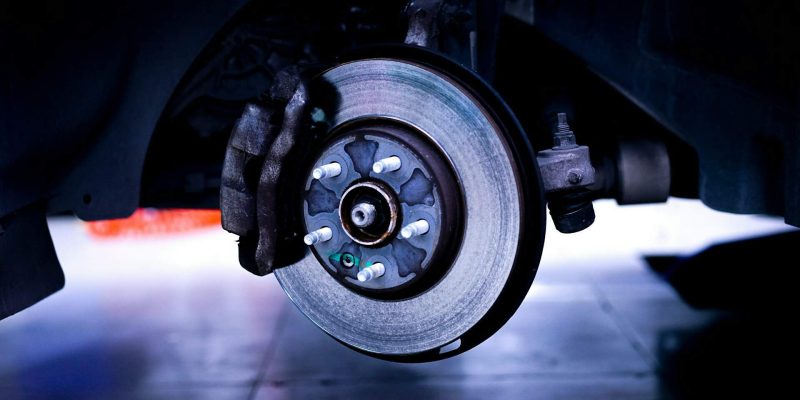
On some vehicles, you can look through the wheel and see part of the brake pad against the disc. If the pad material looks very thin, it is worth having it checked before it gets down to the backing plate.
Most drivers are not expected to measure brake pad thickness themselves, and that is fine. A visual clue is enough to know it is time for a professional look.
What causes brake pads to wear out faster?
Brake pads do not all wear at the same rate. Driving habits, traffic conditions, vehicle weight, and the type of roads you use all make a difference.
If you spend a lot of time in stop-start traffic around suburban roads, your pads will usually wear faster than someone doing mostly open-road driving. Carrying heavier loads, towing, driving a larger SUV, or braking hard at the last second can also shorten pad life. So can cheap or poor-quality brake components.
That is why there is no perfect kilometre figure that suits every car. Some vehicles may need pads earlier than expected, while others get much longer out of them. The better rule is to watch for changes in braking feel and have them inspected during regular servicing.
Can you keep driving with worn brake pads?
Sometimes drivers ask if they can leave it for a few more weeks. The honest answer is that it depends on how worn the pads are and what symptoms the car is showing.
If the pads are getting low but have not started damaging other components, you may have a bit of time to plan the repair. If the brakes are grinding, pulling, vibrating badly, or not stopping properly, it should be treated as urgent. Leaving it too long can turn a straightforward job into replacement of discs, calipers, or other parts as well.
When it comes to brakes, saving a little today can easily cost more tomorrow.
How a brake inspection helps
A proper brake inspection is not just a quick glance. It should include checking pad thickness, disc condition, brake fluid level, caliper operation, and overall braking performance. That matters because brake symptoms can overlap.
For example, squealing might be worn pads, but it could also be contamination. Poor stopping could be pad wear, but it could also be a hydraulic issue. Getting the right diagnosis means you only fix what actually needs fixing.
That is exactly how we believe brake work should be handled – clearly explained, fairly priced, and based on what your car genuinely needs.
When to book your car in
If you have noticed one or more of these signs you need new brake pads, do not wait for the problem to become obvious to everyone else at the next set of traffic lights. Brakes are one of those systems where early action usually means a simpler, cheaper repair.
If you are in Deer Park or the western suburbs and your car is squealing, grinding, pulling, or just not feeling right when you brake, having it checked sooner gives you peace of mind and helps keep your vehicle roadworthy. At Auto Clinic and Parts, we focus on honest inspections and practical advice, so you know exactly what is going on before any work is done.
If your brakes have started speaking up, it is worth listening before they force the issue.